
Dehumidification rentals are your first line of defense when unprecedented weather systems, like the recently formed Tropical Storm Bertha, threaten commercial facilities. As Bertha crawls along the Gulf Coast and pushes toward Texas, the Greater Houston area faces torrential downpours and the severe threat of flash floods. Removing standing water is only the first step of disaster recovery. To prevent long-term structural damage and dangerous mold growth from Bertha’s remnants, you must extract deep, hidden moisture from your indoor air and building materials.
Waiting too long to address indoor humidity can turn a temporary disruption into a permanent financial disaster. Below, we break down exactly how commercial drying solutions protect your property and why a rapid response matters when the next storm strikes.
Table of Contents
1. The Immediate Threat of Tropical Storm Bertha
Tropical Storm Bertha has already proven its ability to generate heavy rains and significant storm surges. When tropical systems stall or slowly migrate inland, commercial facilities are placed at immense risk for sudden water intrusion. Even if your facility escapes the worst of the rising waters, the sheer volume of precipitation severely spikes the ambient humidity. Facility managers need to be proactive. Securing dehumidification rentals ahead of time or immediately following the storm’s impact is crucial for mitigating moisture damage. A rapid response minimizes operational downtime and protects your bottom line.
2. The Hidden Dangers of Post-Flood Humidity
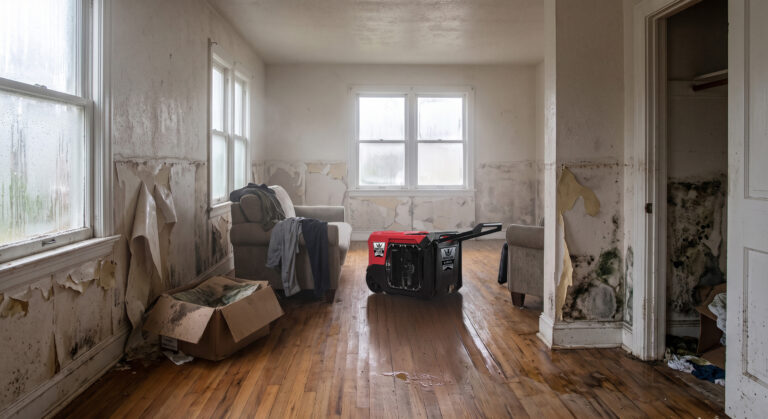
It is easy to assume that once the visible floodwaters from Tropical Storm Bertha are pumped out of a building, the danger has passed. Unfortunately, this is a dangerous misconception. Porous materials like commercial drywall, acoustic ceiling tiles, and wooden structural beams act like giant sponges. They absorb massive amounts of water that slowly evaporate into the indoor air, skyrocketing the relative humidity levels inside your facility. By utilizing high-capacity dehumidification rentals, you forcefully pull this latent moisture out of the environment before it can warp structural supports or rot critical foundational materials.
3. Why Turnkey Dehumidification Rentals Matter
During a severe weather recovery scenario, facility managers do not have the bandwidth to micromanage equipment logistics. You need a solution that works immediately out of the box. This is where fully turnkey dehumidification rentals become an absolute necessity.
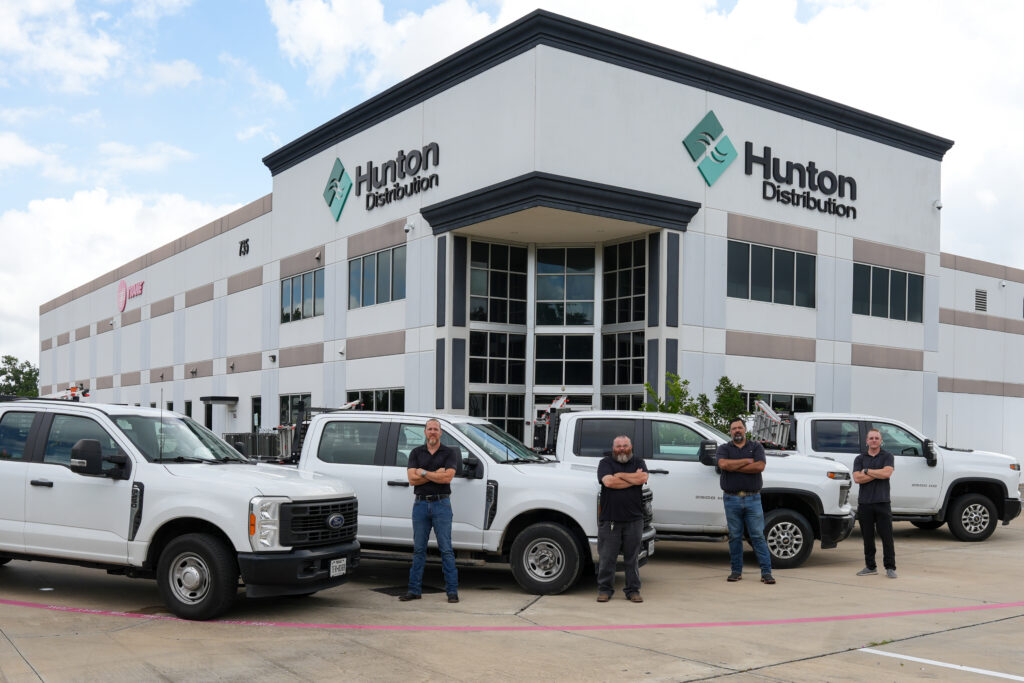
A turnkey service means that the equipment provider handles everything from start to finish:
Rapid Delivery: Immediate dispatch of equipment to your facility, even in challenging post-storm conditions.
Professional Setup: Proper placement and correct power configuration for maximum airflow.
Operational Training: A basic rundown of controls and moisture monitoring.
Teardown: Quick removal of the units once the environment is thoroughly stabilized.
When you partner with a provider that offers end-to-end service, your maintenance teams can focus on broader facility repairs rather than babysitting drying equipment.
4. Preventing Devastating Mold and Mildew
According to guidelines published by the EPA on mold cleanup, mold can begin to grow on damp surfaces within 24 to 48 hours. In the humid, post-storm climate created by Tropical Storm Bertha, this window can close even faster. Mold mitigation is notoriously expensive and often requires shutting down facility operations entirely. Deploying dehumidification rentals immediately after water intrusion drastically lowers the ambient humidity, creating an inhospitable environment for mold spores. By continuously circulating dry air, industrial-strength dehumidifiers halt microbial growth in its tracks and protect your building’s indoor air quality.
5. Protecting Sensitive Commercial Equipment
High humidity does not just threaten drywall; it is highly destructive to sensitive electronics, manufacturing machinery, and data center servers. Condensation forming on circuit boards can cause catastrophic electrical shorts, resulting in thousands of dollars in losses. Temporary dehumidification rentals are frequently used to isolate server rooms and advanced manufacturing floors, ensuring that the micro-environments around your most expensive commercial assets remain perfectly stable, even if the rest of the building’s infrastructure is compromised by the storm.
How to Choose the Right Drying Fleet
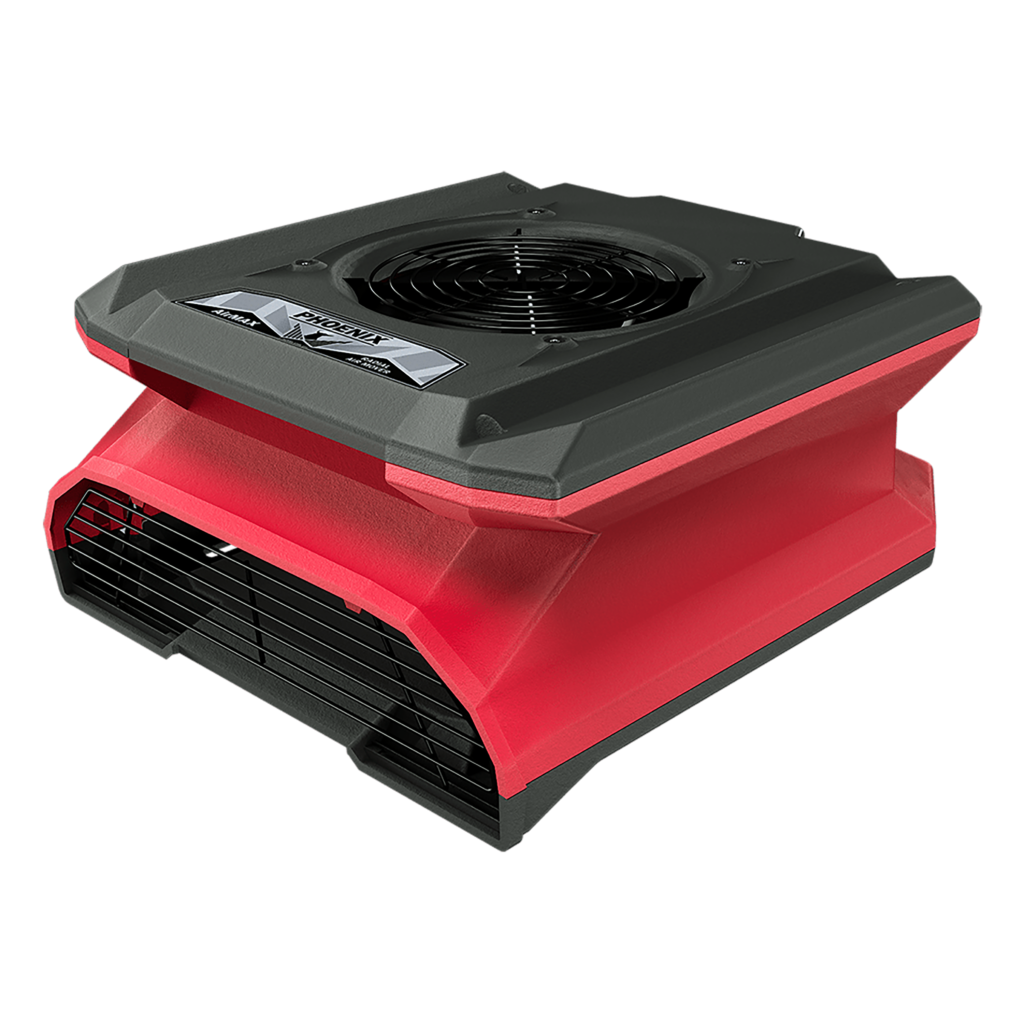
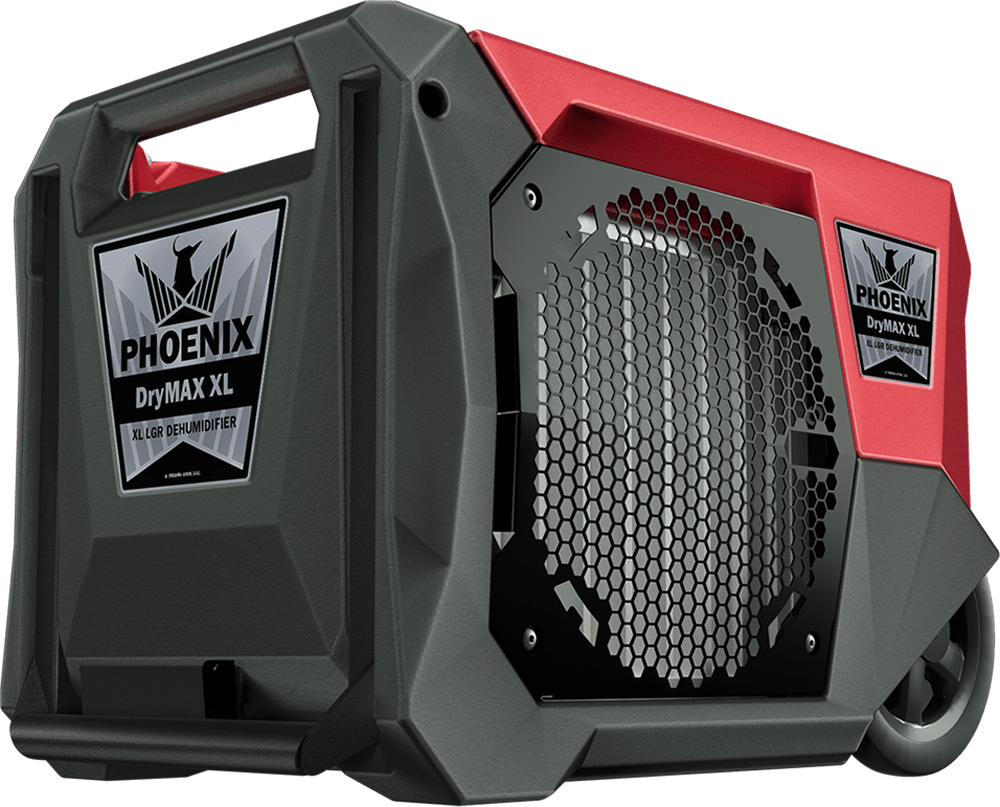
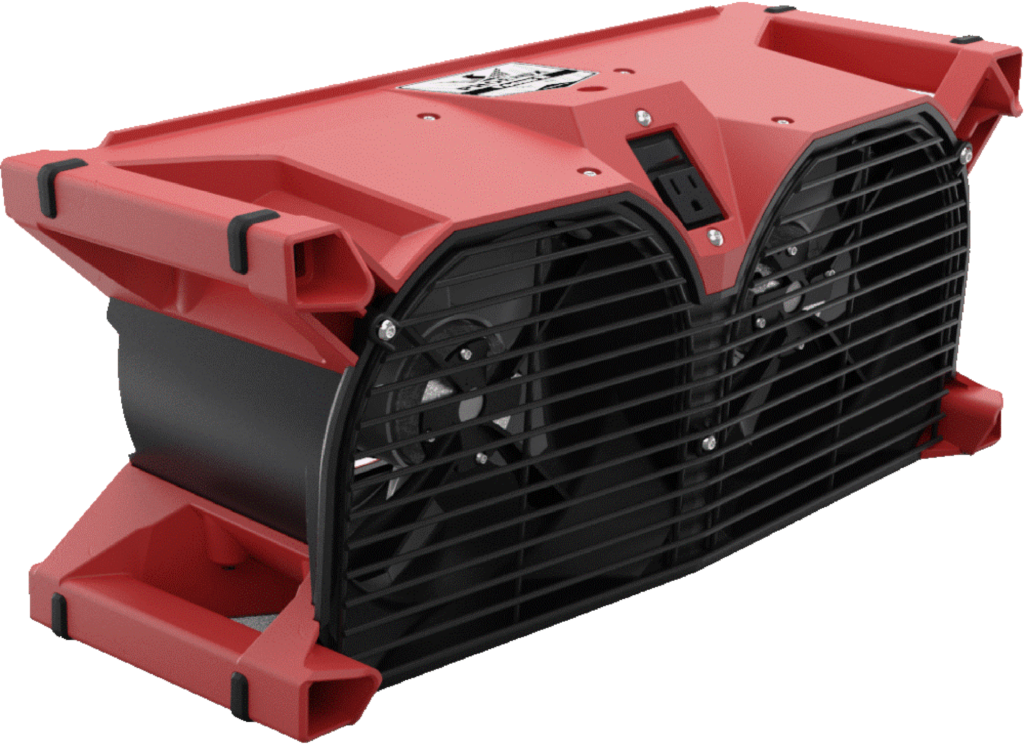
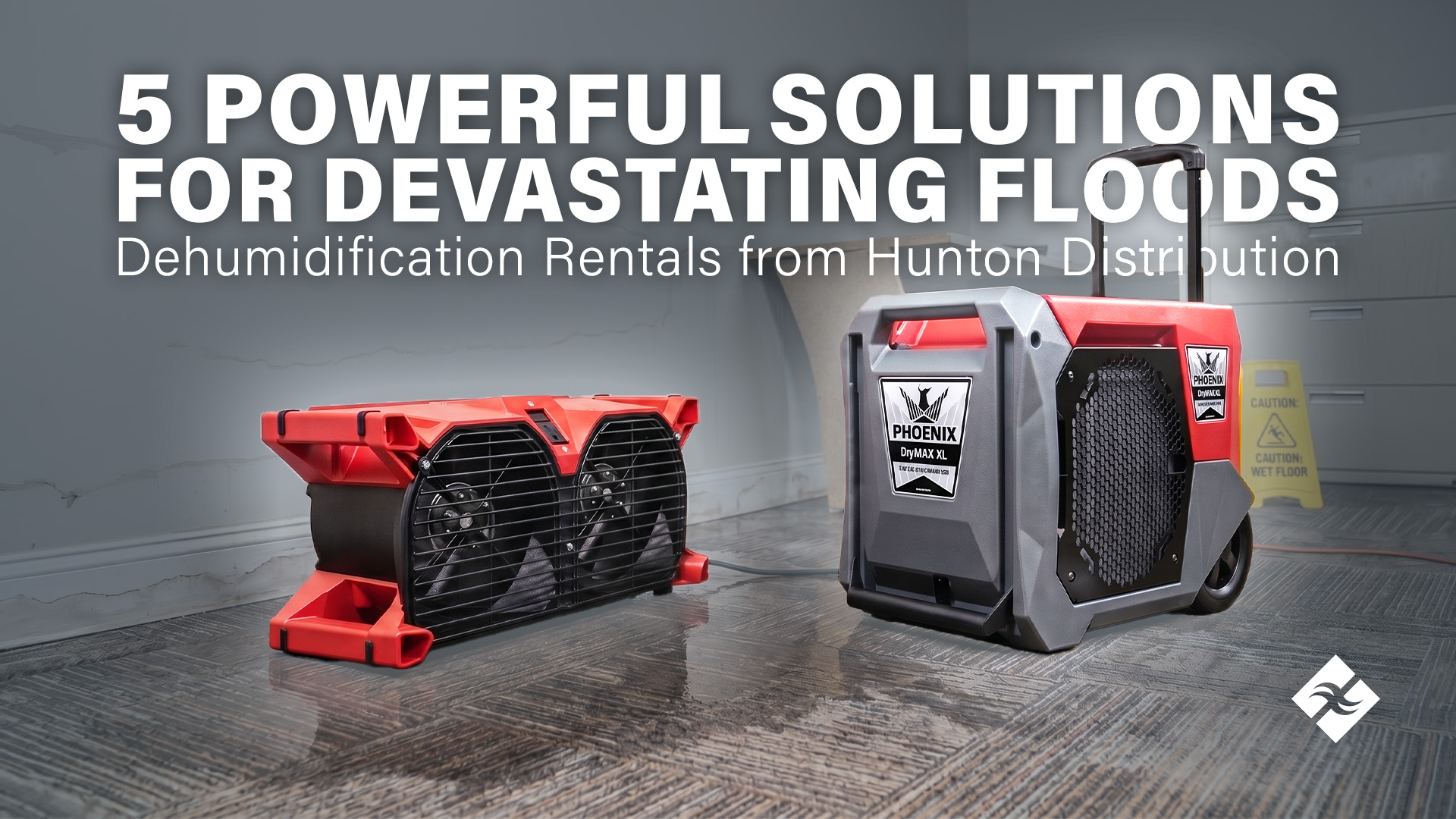
Not all commercial drying equipment is created equal. The overall size of your facility, the volume of water intrusion caused by Bertha, and your existing HVAC infrastructure all dictate what type of system you require. Whether you need high-capacity LGR units like the DryMax XL (capable of pulling 125 pints per day) for heavy water removal, or complementary AirMax Air Movers to forcefully circulate air, choosing the right configuration is vital for rapid recovery.
At Hunton Distribution, we maintain a comprehensive fleet of heavy-duty commercial equipment ready to deploy at a moment’s notice. To explore our available inventory and secure the right system for your facility’s exact footprint, explore our complete catalog of Hunton Distribution Rentals.
When severe weather strikes, do not leave your property’s safety to chance. Fast, fully turnkey dehumidification rentals are the ultimate tool to protect your commercial investment, restore safe air quality, and get your business back online without delay.